
Description
Gabapentin 1200 mg: An In-Depth Look
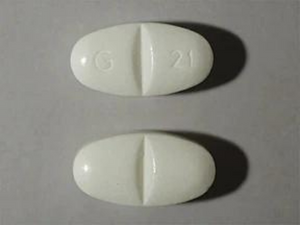
Gabapentin 1200 mg refers to a moderate-to-high total daily dose commonly used to manage persistent nerve-related pain or certain seizure disorders when lower doses are not sufficient. Rather than being a single tablet, 1200 mg is typically divided into multiple doses to keep blood levels steady and reduce side effects. Gabapentin works by calming overactive nerve signals, helping ease burning, tingling, or shooting pain. When increased gradually and taken consistently, Gabapentin 1200 mg can provide reliable symptom control under medical supervision.
What is Gabapentin 1200 mg?
Gabapentin 1200 mg represents a therapeutic daily dosage level used for patients who need stronger control of neuropathic symptoms or seizure activity. Gabapentin is a neurological medication that stabilizes nerve signaling rather than acting as a traditional painkiller. This makes it particularly effective for pain caused by nerve damage or irritation.
This dose is often prescribed for conditions such as diabetic neuropathy, postherpetic neuralgia (shingles pain), chronic nerve-related back pain, or seizure disorders. Doctors typically start patients at lower doses (such as 300 mg) and increase gradually to reach 1200 mg if needed. The total dose is usually split into two or three administrations per day.
While effective, Gabapentin 1200 mg requires careful dosing. Side effects like drowsiness or dizziness may occur, especially during dose adjustments. Abrupt discontinuation should be avoided to prevent symptom rebound.
How does Gabapentin 1200 mg work?
- Calms overactive nerve signals
- Reduces abnormal electrical activity in the brain
- Stabilizes nerve communication
- Lowers the intensity of neuropathic pain sensations
Medical Uses of Gabapentin 1200 mg:
- Neuropathic (nerve) pain
- Diabetic neuropathy
- Postherpetic neuralgia
- Chronic spinal or nerve-related pain
- Seizure disorders requiring stronger control
Dosage & Administration – Gabapentin 1200 mg (Dosing Guide)
- 1200 mg is the total daily dose, not a single tablet
- Common schedules include:
- 600 mg twice daily, or
- 400 mg three times daily
- Dose is usually reached gradually from lower strengths
- Taken at the same times each day for best results
Important dosing notes:
- Can be taken with or without food
- Do not stop suddenly without medical advice
- Missed dose: take when remembered unless close to the next dose
- Do not double doses
Other common side effects associated with Gabapentin 1200 mg include:
- Drowsiness
- Dizziness
- Fatigue
- Balance or coordination issues
- Swelling in hands or feet
Side effects are more noticeable during dose increases and often improve with time.
Warnings and Precautions for Gabapentin 1200 mg:
- Avoid alcohol, which can increase sedation
- Use caution when driving or operating machinery
- Inform your doctor about kidney disease or mood changes
- Dose adjustments may be needed for older adults
Conclusion
Gabapentin 1200 mg is a commonly used daily dose for managing persistent nerve pain or seizure-related conditions. When divided properly and increased gradually under medical supervision, it can offer effective symptom relief with a manageable side-effect profile.
Frequently Asked Questions (FAQs) – UNIQUE
- Is Gabapentin 1200 mg considered a high dose?
It is a moderate-to-high daily dose, depending on the condition. - Can 1200 mg be taken all at once?
No, it is usually divided into multiple doses. - How long does it take to adjust to this dose?
Most people adjust within 1–2 weeks after dose stabilization. - Is 1200 mg enough for severe nerve pain?
For many patients, yes—others may require higher doses. - What is the next step if 1200 mg isn’t effective?
A doctor may consider dose adjustment or alternative therapy.

Reviews
There are no reviews yet.