
Description
Gabapentin 100 mg: An In-Depth Look
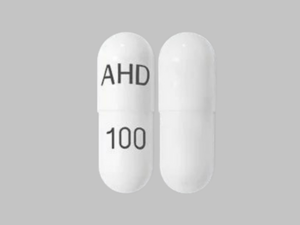
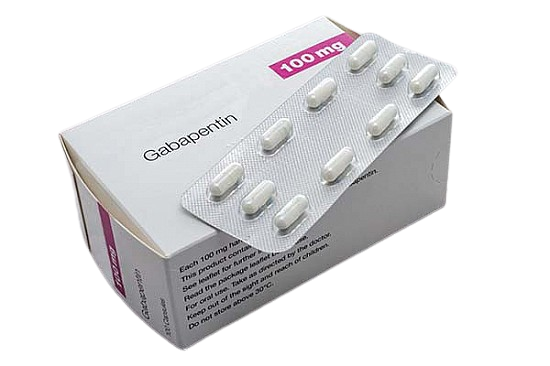
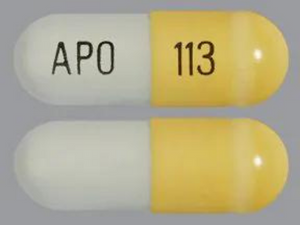
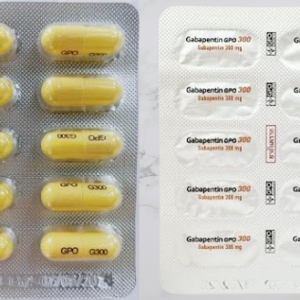
Gabapentin 100 mg is a low-strength starting dose commonly prescribed for nerve-related pain and certain neurological conditions. It is often used when patients are sensitive to medications or need a gradual introduction to gabapentin therapy. Rather than blocking pain directly, gabapentin calms overactive nerve signals that cause burning, tingling, or shooting sensations. This dose helps the body adjust while minimizing side effects such as drowsiness or dizziness. Gabapentin 100 mg is typically increased slowly based on response and tolerance.
What is Gabapentin 100 mg?
Gabapentin 100 mg is the lowest commonly prescribed strength of gabapentin, used to initiate treatment for neuropathic pain or seizure-related conditions. Gabapentin was originally developed to manage epilepsy but is now widely used for nerve pain caused by diabetes, shingles, spinal disorders, or nerve injury. Unlike traditional painkillers, gabapentin works by stabilizing abnormal nerve activity rather than masking pain.
This low dose is especially useful for elderly patients, individuals with kidney impairment, or those who experience side effects at higher doses. Gabapentin 100 mg may be taken once or multiple times daily depending on the treatment plan. Doctors often increase the dose gradually to find the most effective level with the fewest side effects. Consistency and patience are important, as benefits may take time to appear.
How does Gabapentin 100 mg work?
- Calms overactive nerve signals
- Reduces abnormal electrical activity
- Stabilizes nerve communication
- Helps ease mild nerve pain symptoms
Medical Uses of Gabapentin 100 mg:
- Early-stage nerve pain
- Neuropathic pain in sensitive patients
- Seizure disorders (dose initiation)
- Elderly or kidney-impaired patients
- Gradual dose titration for long-term therapy
Dosage & Administration – Gabapentin 100 mg (Dosing Guide)
- Gabapentin 100 mg is commonly used as a starting dose
- Typical schedule: 100 mg once daily, often at night
- May be increased gradually to 300 mg or higher if needed
- Total daily dose is adjusted based on response
Important dosing notes:
- Take at the same time each day
- Can be taken with or without food
- Do not stop suddenly without medical advice
- Missed dose: take when remembered unless close to the next dose
Other common side effects associated with Gabapentin 100 mg include:
- Mild drowsiness
- Light dizziness
- Fatigue
- Headache
- Unsteadiness (less common)
Side effects are usually mild at this dose.
Warnings and Precautions for Gabapentin 100 mg:
- Avoid alcohol, which may increase drowsiness
- Use caution when driving until effects are known
- Inform your doctor about kidney disease or mood changes
- Dose increases should be gradual and supervised
Conclusion
Gabapentin 100 mg is an ideal starting point for patients beginning gabapentin therapy. Its low strength allows safe adjustment while minimizing side effects, making it especially suitable for sensitive individuals or those requiring careful dose escalation.
Frequently Asked Questions (FAQs) – UNIQUE
- Why would someone start on Gabapentin 100 mg instead of 300 mg?
To reduce side effects and allow gentle dose adjustment. - Can 100 mg control nerve pain on its own?
It may help very mild symptoms, but higher doses are often needed. - Is this dose safe for older adults?
Yes, it is commonly used in elderly patients. - How long should I stay on 100 mg before increasing?
This depends on tolerance and symptom response. - Is Gabapentin 100 mg used long-term?
It is usually a starting or transition dose, not a final dose.
Reviews
There are no reviews yet.