


Description
Codeine 300/30
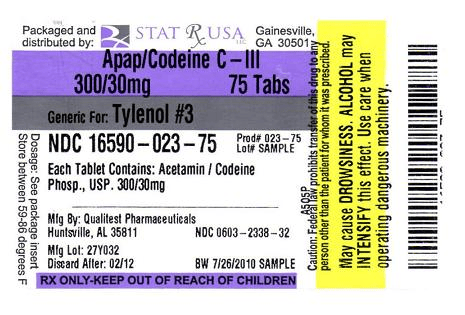
Codeine 300/30 mg is a prescription medication that has been helping people manage moderate to severe pain for many years. It’s a combination of 300 mg acetaminophen (paracetamol) and 30 mg codeine, an opioid that acts on the nervous system. The acetaminophen works to reduce pain and fever, while codeine helps the brain perceive less pain. This combination makes it particularly useful for people recovering from surgery, suffering from injuries, or experiencing chronic pain. While it is effective, it’s important to remember that Codeine 300/30 mg must be used responsibly under medical supervision to avoid side effects or potential dependency.
What is Codeine 300/30 mg?
Codeine 300/30 mg is a dual-action painkiller. The acetaminophen component reduces inflammation and lowers fever, while codeine works directly on the brain to ease pain. Together, they offer stronger pain relief than either one alone. This medication is usually available in tablets or capsules and is prescribed for adults or older adolescents who need more than standard pain relievers. Even though codeine is milder than stronger opioids like morphine, it still requires careful use due to its potential for dependence and side effects.
Medical Uses of Codeine 300/30 mg
There are several situations where Codeine 300/30 mg is prescribed:
- Moderate to Severe Pain – It is effective for pain that cannot be relieved by standard painkillers, such as musculoskeletal pain, severe headaches, or tooth pain.
- Post-Surgical Pain – After minor or moderate surgeries, patients often find that this combination helps manage discomfort during recovery.
- Injuries – Sprains, fractures, and muscle strains can be managed more comfortably with this medication.
- Chronic Pain Conditions – People with arthritis or other chronic pain disorders sometimes use this under medical guidance.
- Fever Relief – The acetaminophen component can help reduce fever while simultaneously easing pain.
It’s important to always follow your doctor’s instructions. Taking too much or using it for longer than prescribed can be dangerous.
How codeine 300/30mg Works
Codeine 300/30 mg works in two ways. Acetaminophen helps to reduce pain and fever by acting on pain pathways in the brain and at the site of discomfort. Codeine, on the other hand, binds to opioid receptors in the brain and spinal cord. These receptors control how we feel pain. By interacting with them, codeine reduces the intensity of pain signals and changes how the brain perceives pain. Together, the two drugs provide a more effective relief than either drug alone. This combination makes Codeine 300/30 mg particularly useful for both acute pain, like after surgery, and more persistent chronic pain.
Side Effects and Risks
Like any medication, Codeine 300/30 mg can cause side effects. Most are mild, but some can be serious if not used properly. Knowing what to watch for is important for safe use.
Common Side Effects
Some side effects happen more often:
- Drowsiness – Codeine can make you feel sleepy or sluggish. Avoid driving or operating machinery until you know how it affects you.
- Dizziness – Lightheadedness may occur, especially when standing up quickly.
- Constipation – Opioids slow down bowel movement, which may cause constipation.
- Nausea or Vomiting – Some people experience stomach upset, particularly when starting the medication.
- Mild Itching or Rash – A small number of people notice minor skin reactions.
These effects are often temporary, but persistent issues should be discussed with a doctor.
Serious Side Effects
Although less common, some side effects can be severe:
- Respiratory Depression – High doses of codeine can slow or stop breathing, which can be life-threatening.
- Severe Allergic Reactions – Swelling of the face, lips, or throat, or difficulty breathing, requires immediate attention.
- Severe Constipation or Bowel Obstruction – Long-term use can lead to serious digestive problems.
- Liver Damage – Taking more than the recommended dose of acetaminophen can damage the liver.
- Confusion or Hallucinations – Especially in older adults, codeine can sometimes cause disorientation or unusual thoughts.
If any of these occur, it’s important to seek medical care immediately.
Precautions / Safety Measures
To safely use Codeine 300/30 mg, keep these points in mind:
- Follow the Prescription – Never increase your dose or take it without a doctor’s guidance.
- Avoid Certain Health Conditions – People with breathing issues, liver or kidney problems, or a history of substance abuse should use caution.
- Age Restrictions – Usually prescribed only for adults and older adolescents; not recommended for children under 12.
- Pregnancy and Breastfeeding – Use only if necessary under a doctor’s guidance. Avoid during breastfeeding.
- Drug Interactions – Alcohol, sedatives, or other opioids can increase side effects and risk.
Storage: Keep the medication in a cool, dry place, out of reach of children and pets. Avoid bathrooms, as moisture can affect the tablets.
Conclusion
Codeine 300/30 mg is a reliable option for managing moderate to severe pain. Its combination of acetaminophen and codeine provides a dual approach to pain relief and fever reduction. While effective, it must be used responsibly. Following the prescribed dose, monitoring for side effects, and avoiding interactions with other drugs are essential. When used properly under medical supervision, Codeine 300/30 mg can provide significant relief and improve daily comfort for patients dealing with pain.
Frequently Asked Questions (FAQs)
Q1. Who can take Codeine 300/30 mg?
Adults and older adolescents with moderate to severe pain can take it under a doctor’s guidance.
Q2. Can children take this medication?
No. Children under 12 are at risk of serious respiratory complications and should not take it.
Q3. Is Codeine 300/30 mg addictive?
Yes. Codeine is an opioid, so misuse can lead to dependence. Always follow the doctor’s instructions.
Q4. Can pregnant or breastfeeding women use it?
Use only if necessary during pregnancy, and avoid during breastfeeding as it can pass into breast milk.
Q5. What if I miss a dose?
Take it as soon as you remember, but do not double the next dose.
Q6. Can this medication interact with other drugs?
Yes. Alcohol, sedatives, and some antidepressants may increase side effects or complications.
Q7. How should Codeine 300/30 mg be stored?
Store at room temperature, away from heat, moisture, and out of reach of children and pets.















Reviews
There are no reviews yet.