
Description
OxyContin OP 60 mg: An In-Depth Look
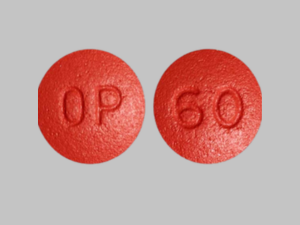
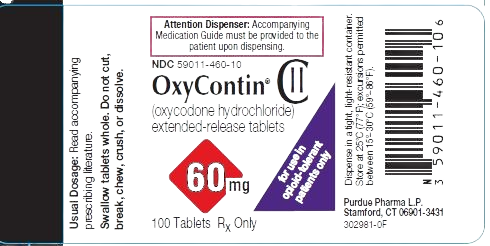
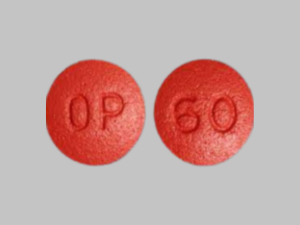
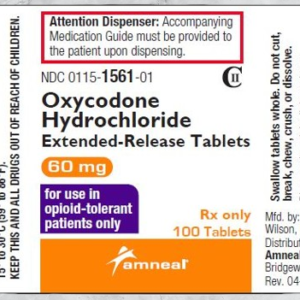
OxyContin OP 60 mg is a high-strength, extended-release opioid medication designed for people who require around-the-clock pain relief. The “OP” formulation makes the tablet more resistant to crushing or tampering, helping reduce misuse. This dose is intended only for individuals already tolerant to opioid medicines and should never be used for mild or short-term pain. OxyContin OP 60 mg works by releasing oxycodone slowly over several hours, offering steady relief for severe chronic pain conditions. Because of its potency, it requires strict medical supervision to avoid risks such as overdose, dependence, or breathing problems.
What is OxyContin OP 60 mg?
OxyContin OP 60 mg is a powerful extended-release opioid analgesic used to treat severe and persistent pain that cannot be managed with weaker medications. It contains oxycodone, which is released slowly through a controlled-release system, allowing patients to experience long-lasting relief for up to 12 hours. The “OP” formulation is specifically engineered to be tamper-resistant, meaning the tablet is harder to crush, dissolve, or misuse. This improves safety while still delivering dependable pain control for individuals who genuinely need continuous relief.
This dosage is usually prescribed for patients who already take opioids regularly and require stronger support. It is not intended for people new to opioids, as the risk of overdose is significantly higher. When used correctly under medical guidance, OxyContin OP 60 mg can help manage debilitating pain and improve daily functioning.
Because it is a strong opioid, careful adherence to medical instructions is essential. Misuse can lead to dependence, respiratory depression, or life-threatening complications.
How does OxyContin OP 60 mg work?
- Binds to opioid receptors in the brain and spinal cord
- Slows the transmission of pain signals
- Releases oxycodone gradually for up to 12 hours of relief
Medical Uses of OxyContin OP 60 mg:
- Severe chronic pain
- Cancer-related pain
- Post-surgical pain requiring long-term management
- Pain unresponsive to lower opioid strengths
Other common side effects associated with OxyContin OP 60 mg include:
- Constipation
- Nausea
- Drowsiness
- Dizziness
- Dry mouth
- Fatigue
Seek immediate help if you experience slow breathing, confusion, or allergic reactions.
Warnings and Precautions for OxyContin OP 60 mg:
- Take only as prescribed; never crush or chew the tablet.
- Avoid alcohol, sedatives, and other opioids.
- Inform your doctor if you have lung issues, liver disease, or a history of substance misuse.
- Do not drive or operate machinery until you know how it affects you.
- Store securely to prevent misuse by others.
Conclusion
OxyContin OP 60 mg offers strong, long-lasting pain relief for patients with severe, ongoing pain. When used responsibly under strict medical supervision, it can significantly improve comfort and daily functioning. However, misuse or unsupervised use can lead to dangerous outcomes such as overdose or dependence.
Frequently Asked Questions (FAQs)
- Is OxyContin OP 60 mg addictive?
Yes. It carries a high risk of dependence, especially if misused. - How long does it last?
Its extended-release formula provides up to 12 hours of relief. - Can I stop taking it suddenly?
No. Abrupt stopping may cause withdrawal symptoms. - Can I drink alcohol while on this medication?
Absolutely not. Alcohol increases the risk of dangerous breathing problems. - Who should avoid OxyContin OP 60 mg?
People with serious breathing disorders or low opioid tolerance should consult their doctor first.


Reviews
There are no reviews yet.