






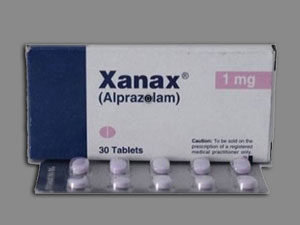
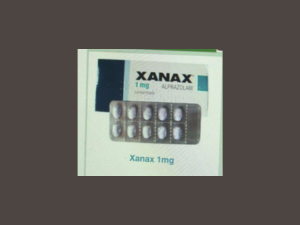
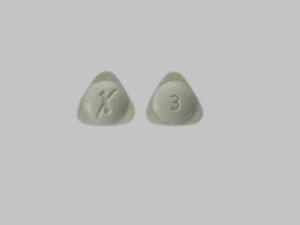
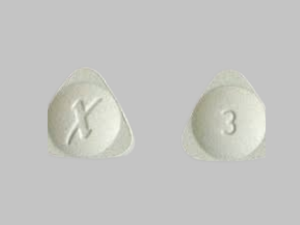


Xanax (Alprazolam)
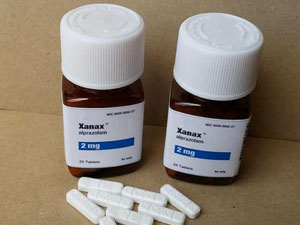
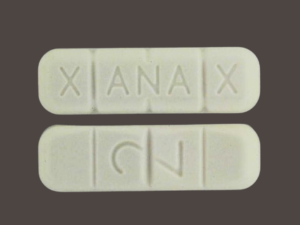
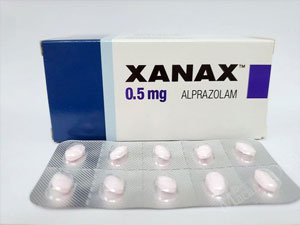
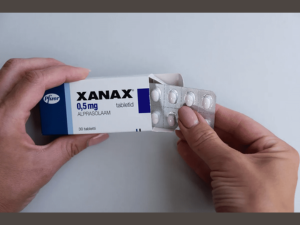
Xanax is the brand name for alprazolam, a prescription medication belonging to the benzodiazepine class. It is primarily used to treat anxiety disorders and panic disorder. Xanax is known for its rapid onset of action, which makes it especially useful for sudden anxiety or panic attacks. Because it affects the central nervous system and carries risks of dependence, it is generally prescribed for short-term or carefully monitored use.
What Conditions Is Xanax Used For?
Doctors prescribe Xanax when anxiety symptoms are severe enough to interfere with daily life.
Approved and common uses include:
-
Generalized Anxiety Disorder (GAD)
-
Panic disorder (with or without agoraphobia)
-
Short-term relief of acute anxiety
-
Anxiety linked with depression (in selected cases)
Xanax does not cure anxiety. It controls symptoms while long-term treatments such as therapy or antidepressants are introduced.
How Xanax Works
Xanax works by enhancing the action of GABA (gamma-aminobutyric acid), a natural calming neurotransmitter in the brain. GABA reduces excessive nerve firing. When Xanax increases GABA activity, the brain becomes less overstimulated, leading to reduced anxiety, muscle relaxation, and sedation.
Effects usually begin within 30–60 minutes, which is why Xanax is effective for panic attacks.
Available Forms and Strengths
Xanax is available in multiple formulations:
-
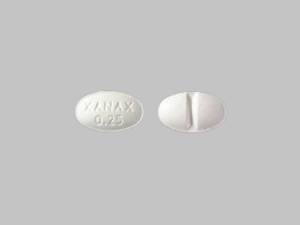
Immediate-release tablets: 0.25 mg, 0.5 mg, 1 mg, 2 mg
-
Extended-release tablets (Xanax XR)
-
Orally disintegrating tablets (region-dependent)
Immediate-release forms act quickly, while XR tablets provide steady control throughout the day.
Dosage and How to Take Xanax
Dosage is individualized and determined by a doctor based on condition, age, response, and risk factors.
Typical dosing guidelines (medical reference):
-
Anxiety disorders:
0.25–0.5 mg taken 2–3 times daily -
Panic disorder:
Start with a low dose, gradually increased if needed -
Elderly or sensitive patients:
Lower starting doses to reduce side effects
Important usage instructions:
-
Take exactly as prescribed
-
Do not increase dose or frequency without approval
-
Swallow XR tablets whole (do not crush or split)
-
Can be taken with or without food
How Long Xanax Is Usually Prescribed
Xanax is typically prescribed for short-term use, often a few weeks. Long-term use is avoided unless absolutely necessary because tolerance and dependence can develop.
Common Side Effects
These are usually related to sedation and may improve over time:
-
Drowsiness
-
Dizziness
-
Fatigue
-
Slowed thinking
-
Poor concentration
-
Memory difficulties
Serious Side Effects (Medical Attention Needed)
Although uncommon, serious effects can occur:
-
Confusion or hallucinations
-
Slurred speech
-
Severe weakness or loss of coordination
-
Trouble breathing
-
Extreme sedation or unresponsiveness
Dependence, Addiction & Withdrawal
Xanax has a high potential for dependence, even at prescribed doses if used for long periods.
Withdrawal symptoms may include:
-
Severe anxiety or panic rebound
-
Insomnia
-
Tremors
-
Sweating
-
Nausea
-
Seizures (in severe or abrupt withdrawal)
Important: Xanax must never be stopped suddenly. Tapering under medical supervision is essential.
Drug Interactions (Critical Safety Section)
Xanax can be life-threatening when combined with certain substances.
Avoid combining with:
-
Alcohol
-
Opioid painkillers (oxycodone, OxyContin, morphine, tramadol)
-
Other benzodiazepines
-
Sleeping pills or strong sedatives
These combinations can cause dangerous breathing suppression, coma, or death.
Who Should Use Xanax With Caution
Extra monitoring or alternatives may be needed for:
-
Elderly patients
-
People with asthma, COPD, or sleep apnea
-
Liver disease patients
-
History of substance misuse
-
Depression with suicidal thoughts
-
Pregnant or breastfeeding women
Long-Term Use Considerations
Long-term Xanax use can lead to tolerance, requiring higher doses for the same effect. Doctors often transition patients to:
-
Cognitive Behavioral Therapy (CBT)
-
SSRIs or other non-addictive anxiety medications
-
Lifestyle and stress-management techniques
Frequently Asked Questions (FAQs)
Is Xanax addictive?
Yes. Xanax can cause physical and psychological dependence, especially with long-term or high-dose use.
How fast does Xanax work?
Most people feel effects within 30–60 minutes after taking it.
Can I take Xanax every day?
Daily use is possible only under strict medical supervision. Long-term daily use is generally discouraged.
Can Xanax help with sleep?
It may cause drowsiness, but it is not recommended as a sleep medication due to dependence risk.
Can I drink alcohol while taking Xanax?
No. Combining Xanax with alcohol can cause fatal breathing problems.
What happens if I miss a dose?
Take it when you remember unless it’s close to your next dose. Do not double doses.
Is Xanax safe during pregnancy?
No. It may harm the fetus and cause withdrawal symptoms in newborns.
How do doctors stop Xanax safely?
By gradual dose reduction (tapering) over weeks or months, depending on duration of use.
Is Xanax stronger than Valium or Ativan?
Xanax has a faster onset and shorter duration, which increases misuse and withdrawal risk compared to some other benzodiazepines.
Can Xanax be taken with antidepressants?
Yes, but only under medical guidance. Many treatment plans combine them carefully.