
Vicodin: An In-Depth Look
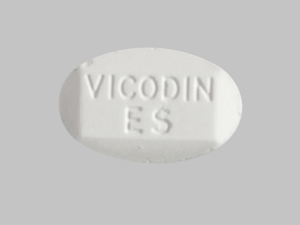
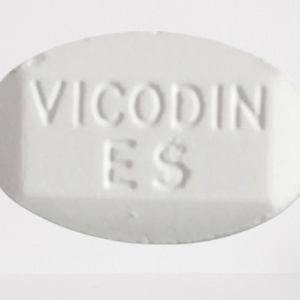
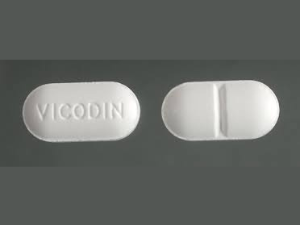
Vicodin is a prescription pain-relief medication used to treat moderate to moderately severe pain. It is a combination drug that contains hydrocodone, an opioid analgesic, and acetaminophen, a non-opioid pain reliever. Together, these ingredients reduce pain more effectively than acetaminophen alone. Vicodin is commonly prescribed for short-term pain following surgery, injury, or dental procedures. Because it contains an opioid, Vicodin must be taken exactly as prescribed to avoid risks such as dependence, breathing problems, or liver damage from excess acetaminophen.
What is Vicodin?
Vicodin is a prescription opioid combination analgesic formulated to manage moderate pain when over-the-counter medications are not sufficient. It combines hydrocodone, which acts on the central nervous system to reduce pain perception, with acetaminophen, which blocks pain signals and enhances overall pain relief.
Vicodin has been widely used for short-term pain relief after medical or dental procedures, injuries, or acute pain episodes. Over time, different strengths of Vicodin have been produced, with varying amounts of hydrocodone and acetaminophen. Modern formulations generally contain lower acetaminophen doses than older versions to reduce the risk of liver injury.
Although effective, Vicodin carries important risks. Hydrocodone can cause dependence, tolerance, and withdrawal symptoms if misused. For this reason, doctors prescribe Vicodin carefully and usually for limited durations, monitoring patients closely during treatment.
How does Vicodin work?
- Hydrocodone binds to opioid receptors in the brain
- Reduces the brain’s response to pain signals
- Acetaminophen blocks pain signals through a different pathway
- Together, they provide balanced pain relief
Medical Uses of Vicodin:
- Post-surgical pain
- Injury-related pain
- Dental pain
- Moderate acute pain not relieved by OTC medicines
Other common side effects associated with Vicodin include:
- Drowsiness
- Nausea or vomiting
- Constipation
- Dizziness
- Headache
Seek immediate medical help for breathing difficulty or signs of liver problems.
Warnings and Precautions for Vicodin:
- Take only as prescribed; do not increase the dose.
- Avoid alcohol, which increases liver and breathing risks.
- Do not combine with other acetaminophen-containing medications.
- Inform your doctor about liver disease, lung conditions, or substance misuse history.
- Avoid driving until you know how it affects you.
- Stopping suddenly after regular use may cause withdrawal symptoms.
Conclusion
Vicodin can be effective for short-term pain relief when used responsibly. However, because it contains both an opioid and acetaminophen, careful use under medical supervision is essential. Safer dosing practices have improved Vicodin’s risk profile, but misuse can still lead to serious health complications.
Frequently Asked Questions (FAQs)
- Is Vicodin still commonly prescribed today?
It is prescribed less frequently than before, with doctors often choosing lower-acetaminophen alternatives. - How is Vicodin different from Norco?
They contain the same active ingredients, but brand names and strengths may differ. - Can Vicodin cause tolerance over time?
Yes, repeated use can reduce effectiveness and require reassessment. - Why were older Vicodin formulas changed?
To reduce liver injury risk from high acetaminophen doses. - Should Vicodin be used for chronic pain?
It is mainly intended for short-term or acute pain, not long-term use.