

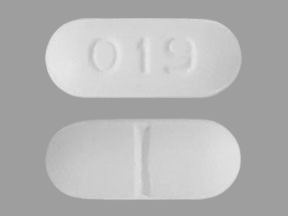
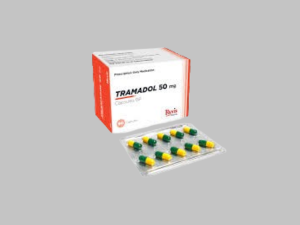
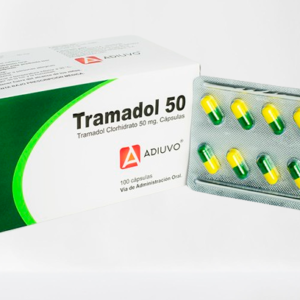
Tramadol: An In-Depth Look
Tramadol is a prescription pain-relief medication used to treat moderate to moderately severe pain. It is different from stronger opioids because it works in two ways—by affecting opioid receptors and by influencing certain brain chemicals involved in pain control. This dual action helps reduce discomfort while offering a slightly lower risk profile than traditional opioids. Tramadol is commonly prescribed for short-term pain after injury or surgery and for some chronic pain conditions. Despite being considered milder, it can still cause side effects, dependence, or withdrawal if misused, so it must be taken exactly as prescribed and under medical supervision.
What is Tramadol?
Tramadol is a prescription centrally acting pain medication used to manage moderate pain when standard painkillers are not effective enough. It is classified as an opioid-like analgesic, although it is generally considered less potent than medications such as oxycodone or morphine. Tramadol works on the nervous system to reduce how strongly pain is felt rather than eliminating pain entirely.
This medication is available in immediate-release and extended-release forms, allowing doctors to tailor treatment based on pain severity and duration. It is often used for post-surgical pain, injury-related discomfort, or chronic conditions such as arthritis or nerve pain. Because Tramadol also affects brain chemicals related to mood and pain processing, it may help some patients tolerate pain more effectively.
Although helpful, Tramadol is not risk-free. Improper use can lead to dependence, withdrawal symptoms, or serious side effects. For this reason, doctors carefully monitor dosage and duration of use.
How does Tramadol work?
- Binds weakly to opioid receptors in the brain
- Increases levels of serotonin and norepinephrine, which help regulate pain
- Reduces the brain’s perception of pain signals
Medical Uses of Tramadol:
- Post-surgical pain
- Injury-related pain
- Chronic pain conditions
- Nerve-related pain
- Pain not relieved by basic analgesics
Other common side effects associated with Tramadol include:
- Nausea
- Dizziness
- Drowsiness
- Constipation
- Headache
- Dry mouth
Seek medical attention for seizures, breathing difficulty, or allergic reactions.
Warnings and Precautions for Tramadol:
- Take only as prescribed; do not increase the dose yourself.
- Avoid alcohol and sedatives.
- Inform your doctor if you have a history of seizures, depression, or substance misuse.
- Do not drive until you know how it affects you.
- Sudden stopping may cause withdrawal symptoms.
Conclusion
Tramadol can be an effective option for managing moderate pain when used correctly. Its dual-action mechanism makes it useful for various pain conditions, but it still carries risks if misused. Responsible use and medical supervision are essential for safe pain management.
Frequently Asked Questions (FAQs)
- Is Tramadol addictive?
Yes. It has a risk of dependence, especially with long-term use. - How quickly does Tramadol work?
Most people feel relief within 30–60 minutes. - Can I drink alcohol while taking Tramadol?
No. Alcohol increases the risk of serious side effects. - Can Tramadol cause withdrawal?
Yes. Stopping suddenly may lead to withdrawal symptoms. - Who should avoid Tramadol?
People with seizure disorders or severe breathing problems should consult a doctor first.