
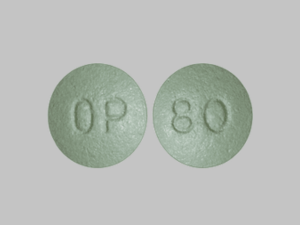

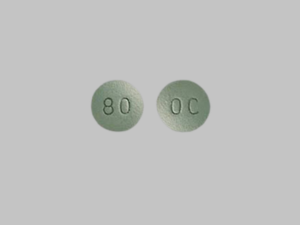
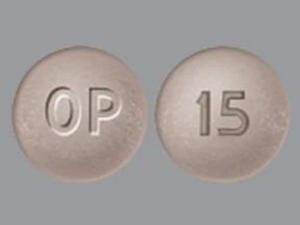
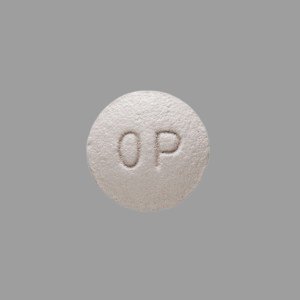
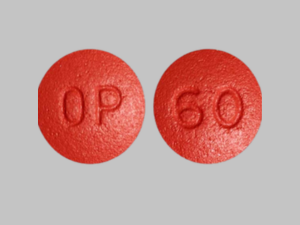
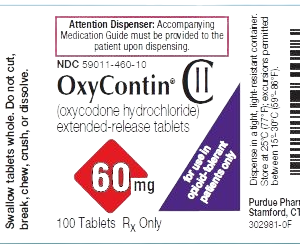
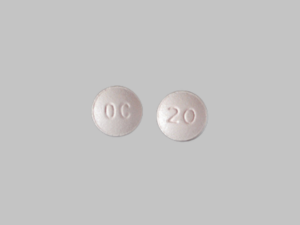
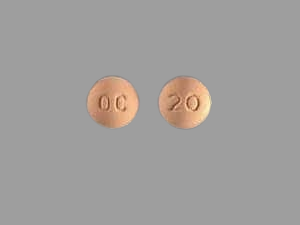
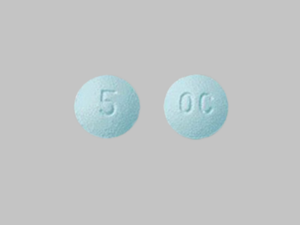
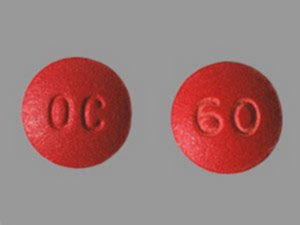

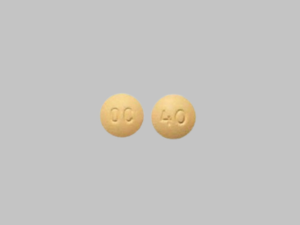
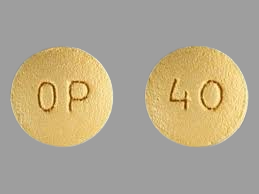
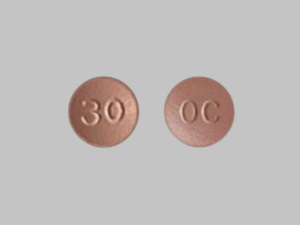
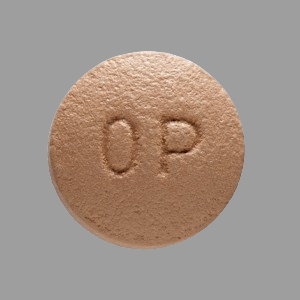
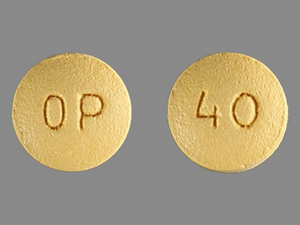
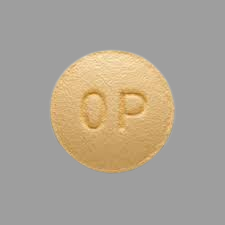
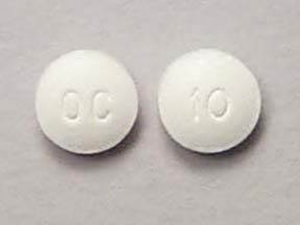
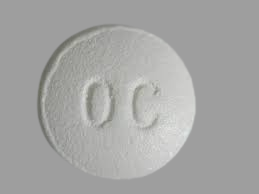

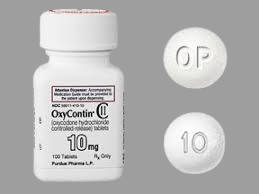
What is OxyContin?
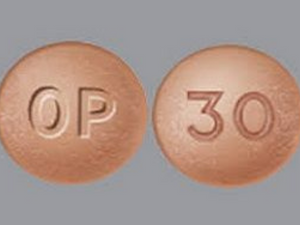
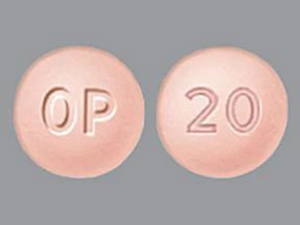
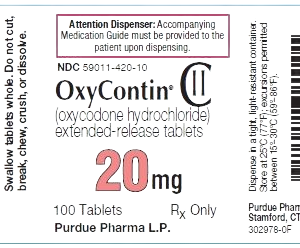
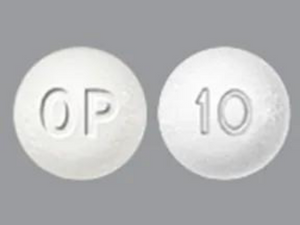
OxyContin is a brand-name prescription medication containing oxycodone, a powerful opioid pain reliever. What makes OxyContin different from regular oxycodone is its extended-release formula, which delivers the medicine slowly over several hours. It is typically used for long-term, continuous pain management in people who require steady relief throughout the day.
How does OxyContin work?
OxyContin works by binding to specific opioid receptors in the brain and spinal cord. These receptors help control how the body interprets and responds to pain.
- The medication slowly releases oxycodone into the bloodstream.
- This provides consistent pain relief without the need for frequent dosing.
- It reduces pain intensity and helps patients function more comfortably.
Because of its strength and long-lasting effect, OxyContin must be used responsibly and only under medical supervision.
Medical Uses of OxyContin
Doctors typically prescribe OxyContin for:
- Severe chronic pain
- Cancer-related pain
- Post-surgical or injury pain requiring long-term control
- Conditions where pain persists throughout the day
It is not meant for short-term or occasional discomfort.
Other common side effects associated with OxyContin include:
- Constipation
- Drowsiness
- Nausea
- Dizziness
- Dry mouth
- Headache
Serious effects such as slow breathing, confusion, or allergic reactions require immediate medical attention.
Warnings and Precautions for OxyContin:
- Take it exactly as prescribed; do not crush, chew, or break the tablet.
- Avoid alcohol and sedatives—they can cause dangerous breathing problems.
- Inform your doctor about any lung issues, liver disease, or substance misuse history.
- Do not drive or operate machinery until you know how it affects you.
- Store securely to prevent misuse by others.
- Never increase your dose on your own.
Conclusion
OxyContin provides powerful, long-lasting pain relief for people with serious or chronic pain. When used correctly, it helps improve daily comfort and overall quality of life. However, because of its potency, it carries risks of dependence, misuse, and overdose. Careful medical supervision and responsible use are essential for safe treatment.
Frequently Asked Questions (FAQs)
- Is OxyContin addictive?
Yes. Like all opioids, it carries a high risk of dependence, especially if misused. - How long does OxyContin last?
Its effects typically last 12 hours due to its extended-release formulation. - Can I stop taking OxyContin suddenly?
No. Sudden stopping may cause withdrawal symptoms; tapering is recommended. - Can I drink alcohol while taking it?
No. Alcohol increases the risk of respiratory depression. - Who should avoid OxyContin?
People with severe breathing issues, low opioid tolerance, or past substance misuse should consult their doctor before using it.