
Methadone
Methadone is a medicine used for people with strong pain or those trying to get off other opioids. It works slowly, so it lasts longer and helps control pain or cravings over time. Doctors are very careful when prescribing it because taking too much can be dangerous. People usually take it under supervision and follow a schedule. Methadone can help patients feel more comfortable, rest better, and do daily activities without constant pain. It doesn’t cure the cause of the pain or addiction, but it makes life easier and safer for those who need help managing pain or getting through recovery.
What is Methadone?
Methadone is an opioid medicine that works on the brain and nervous system. It reduces pain and helps control withdrawal symptoms in people who are trying to stop using other opioids. Unlike some painkillers, Methadone stays in the body longer, which helps people feel steady relief instead of pain coming and going. It comes as tablets, liquids, or injections, depending on what the patient needs.
Doctors prescribe it mainly for two reasons. First, it helps people with chronic or severe pain get consistent relief. Second, it is used in medication-assisted treatment (MAT) for people trying to stop opioids. Methadone lowers cravings and prevents withdrawal, making recovery safer. Because it is strong, doctors start with small doses and adjust slowly. You must follow the instructions exactly and never share it. Misusing Methadone can lead to dependence or serious problems.
How Does Methadone Work?
Methadone attaches to opioid receptors in the brain and spinal cord. This helps:
- Reduce the pain your body feels
- Control withdrawal symptoms
- Lower cravings for other opioids
- Provide long-lasting relief
Medical Uses of Methadone
Methadone is used for:
- Severe or chronic pain
- Opioid dependence treatment
- Reducing withdrawal symptoms
- Supporting medication-assisted recovery programs
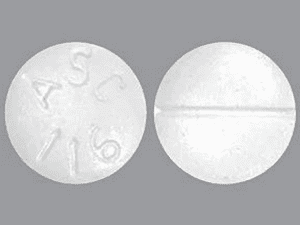
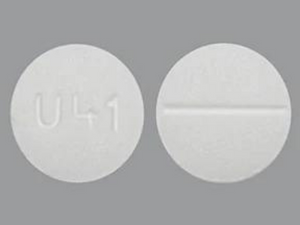
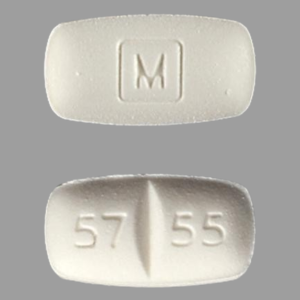
We provide Methadone in:
- Methadone 5 mg – Mild pain or maintenance
- Methadone 10 mg – Moderate pain or treatment
Dosage & Administration – Methadone (Dosing Guide)
- Available as tablets, liquid, or injection
- Dose depends on age, weight, condition, and how the patient responds
- Usually taken once daily for opioid dependence
- Doctors adjust doses slowly for safety
- Always follow instructions and never share your medicine
Other Common Side Effects of Methadone
- Feeling tired or sleepy
- Nausea or vomiting
- Constipation
- Dry mouth
- Mild dizziness
- Sweating or mild headaches
Warnings and Precautions for Methadone
- Can cause dependence if misused
- May slow breathing, especially at higher doses
- Avoid alcohol or sedatives
- People with heart, liver, or kidney problems should be careful
- Only take during pregnancy if your doctor approves
Conclusion
Methadone is a strong but helpful medicine for managing severe pain and supporting recovery from opioid addiction. When used carefully under medical supervision, it reduces discomfort, controls cravings, and helps patients manage daily life better. Following the doctor’s instructions carefully is essential for safety and effectiveness.
Frequently Asked Questions (FAQs)
Is Methadone strong?
Yes, it is a potent opioid for pain relief and addiction treatment.
Can Methadone cause addiction?
Yes, misuse or long-term use can lead to dependence.
Does Methadone make you sleepy?
Yes, drowsiness is common.
Can I stop Methadone suddenly?
No. Stopping suddenly can cause withdrawal. Always consult your doctor first.