

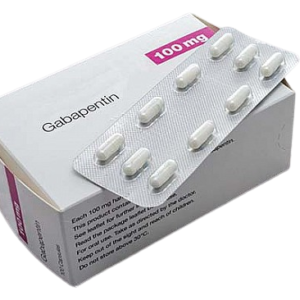
Gabapentin: An In-Depth Look
Gabapentin is a prescription medication commonly used to treat nerve-related pain and seizure disorders. It works by calming overactive nerve signals in the brain and nervous system. Although it is not classified as an opioid, gabapentin is often prescribed when pain has a neuropathic origin, such as burning, tingling, or shooting sensations. It is also used to help control certain types of seizures. Gabapentin is usually taken daily and adjusted gradually to reduce side effects. When used as directed, it can significantly improve comfort and quality of life.
What is Gabapentin?
Gabapentin is a prescription neurological medication originally developed to treat epilepsy. Over time, it was found to be highly effective in managing nerve pain, leading to widespread use for conditions involving nerve damage or irritation. Unlike traditional painkillers, gabapentin does not block pain directly. Instead, it works by stabilizing nerve activity and reducing abnormal electrical signals.
Gabapentin is commonly prescribed for conditions such as diabetic neuropathy, postherpetic neuralgia (nerve pain after shingles), and nerve-related back pain. It is also sometimes used for restless legs syndrome or to support pain management in combination with other treatments.
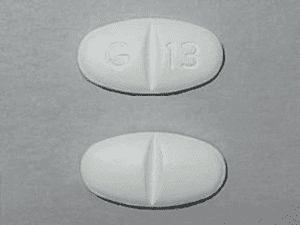
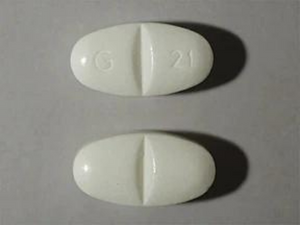
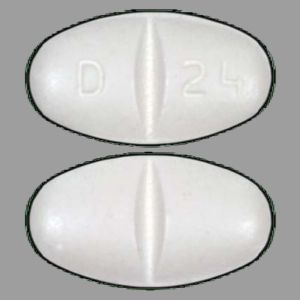
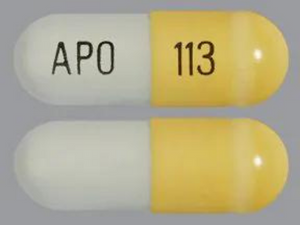
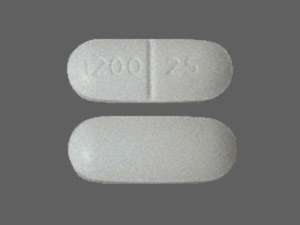
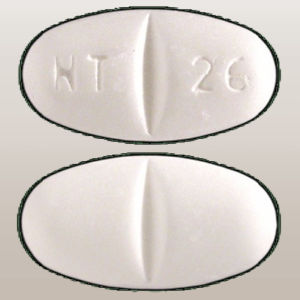
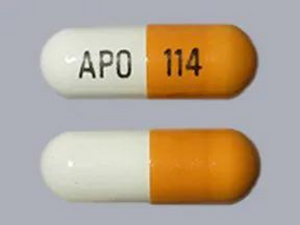
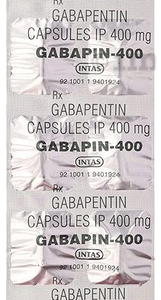
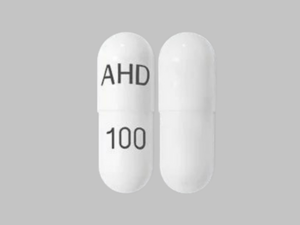
The medication is available in capsules, tablets, and liquid form, with doses adjusted gradually. Gabapentin must be taken consistently to be effective, and sudden discontinuation should be avoided to prevent withdrawal symptoms or seizure risk.
How does Gabapentin work?
- Calms overactive nerve signals
- Reduces abnormal electrical activity in the brain
- Helps stabilize nerve communication
- Lowers the intensity of nerve-related pain
Medical Uses of Gabapentin:
- Nerve pain (neuropathy)
- Postherpetic neuralgia
- Seizure disorders
- Restless legs syndrome (off-label)
- Nerve pain related to diabetes or spinal conditions
Other common side effects associated with Gabapentin include:
- Drowsiness
- Dizziness
- Fatigue
- Swelling in hands or feet
- Unsteadiness
Most side effects lessen as the body adjusts.
Warnings and Precautions for Gabapentin:
- Take only as prescribed; dosage is increased gradually.
- Avoid alcohol, which may worsen drowsiness.
- Do not stop suddenly without medical advice.
- Use caution when driving or operating machinery.
- Inform your doctor about kidney disease or mental health conditions.
Conclusion
Gabapentin is a valuable treatment for nerve-related pain and seizure disorders. While it does not work like traditional painkillers, its ability to calm nerve activity makes it highly effective for specific conditions. Proper dosing and consistent use are key to achieving the best results safely.
Frequently Asked Questions (FAQs) – UNIQUE
- Is gabapentin a painkiller or a nerve medication?
It is a nerve medication, not a traditional painkiller. - How long does gabapentin take to show results?
Improvement may take several days to a few weeks. - Does gabapentin cause dependence?
It is not an opioid, but misuse is possible with high or prolonged doses. - Can gabapentin be taken long-term?
Yes, when monitored by a doctor, it can be used long-term. - Why is gabapentin increased slowly?
To reduce side effects like dizziness and drowsiness.