


Ambien
Ambien is a prescription sleep medicine often used by people who find it difficult to fall asleep at night. It is mainly recommended for short-term sleep trouble, not ongoing insomnia. Ambien works fairly quickly, which is why it is taken just before going to bed. Its purpose is to slow down an overactive mind and help the body relax enough to fall asleep. Because it affects how the brain functions, Ambien should always be used carefully and only as advised by a doctor. When used correctly, it can help improve sleep without heavy sedation.
What Is Ambien?
Ambien is the brand name for zolpidem, a medication developed to support sleep in adults. It is usually prescribed when someone feels tired but still cannot fall asleep easily. Ambien is not designed to treat anxiety or pain. Its main job is to support the natural process of falling asleep.
There are different types of Ambien available. Some versions help people fall asleep faster, while others are meant to help them stay asleep longer. Since the medicine starts working soon after taking it, it should only be taken when bedtime is near. Doctors usually suggest using Ambien for a limited period to avoid unwanted effects or dependence.
How Does Ambien Work?
Ambien works by increasing the calming effect of GABA, a natural chemical in the brain. This helps reduce alertness and slows mental activity, making it easier for the body to settle into sleep.
Medical Uses of Ambien
Ambien is commonly used for:
- Short-term insomnia
- Trouble falling asleep
- Temporary sleep problems related to stress or routine changes
It is not intended for long-term sleep conditions without medical guidance.
Dosage & Administration – Ambien
(Dosing Guide)
- Taken once at bedtime
- Use only when 7–8 hours of sleep are possible
- Should not be taken with alcohol
- Avoid heavy meals before taking it
- Dosage varies based on age and health
Always follow the doctor’s instructions closely.
Other Common Side Effects Associated with Ambien
Some users may experience:
- Sleepiness
- Dizziness
- Headache
- Mild nausea
- Feeling tired the next day
These effects are usually mild and temporary.
Warnings and Precautions for Ambien
- Avoid alcohol and other sedative medicines
- Rarely, unusual sleep behaviours may occur
- Not recommended for long-term daily use
- Extra caution is needed for liver or breathing conditions
- Do not drive or operate machines after taking it
Always inform your doctor about other medications.
We provide:
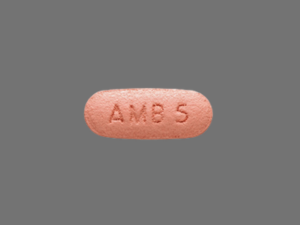
- Ambien 5 mg – suitable for lower-dose needs
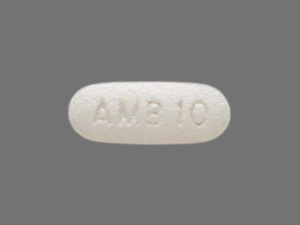
- Ambien 10 mg – commonly prescribed standard dose
Always follow the doctor’s instructions closely.
Conclusion
Ambien can be helpful for short-term sleep difficulties when used responsibly. It supports sleep by calming brain activity rather than forcing unconsciousness. For best results, it should be taken only as prescribed and combined with healthy sleep habits.
Frequently Asked Questions (FAQs)
- Is Ambien meant for long-term use?
No, it is usually prescribed for short periods only. - How soon does Ambien start working?
Most people feel sleepy within 20–30 minutes. - Can Ambien cause dependence?
Yes, especially if used incorrectly or for long periods. - Does Ambien help people stay asleep?
Some forms may help, but effects vary. - Should Ambien be stopped suddenly?
It’s best to speak with a doctor first.