
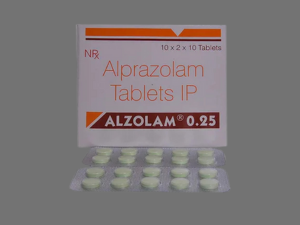
Alprazolam: Complete Information
Alprazolam is a prescription medication from the benzodiazepine class, most commonly known by the brand name Xanax. It is used to treat anxiety disorders and panic disorder by calming excessive activity in the brain. Alprazolam is fast-acting and effective, but it also carries significant risks, including dependence and withdrawal, which is why it must be used only under medical supervision.
What Alprazolam Is Used For
Doctors prescribe alprazolam when anxiety or panic symptoms are severe enough to interfere with daily life.
Common medical uses include:
-
Generalized Anxiety Disorder (GAD)
-
Panic disorder (with or without agoraphobia)
-
Acute panic attacks
-
Short-term anxiety relief
-
Anxiety associated with depression (selected cases)
Alprazolam does not cure anxiety disorders. It helps control symptoms while longer-term treatments (therapy, antidepressants) take effect.
How Alprazolam Works
Alprazolam enhances the effect of GABA (gamma-aminobutyric acid), a neurotransmitter that reduces excessive nerve activity in the brain. By strengthening GABA’s calming effect, alprazolam decreases anxiety, fear, restlessness, muscle tension, and panic symptoms. Because it acts quickly, effects are often felt within 30–60 minutes.
Available Strengths and Forms
Alprazolam is available in several strengths and formulations:
-
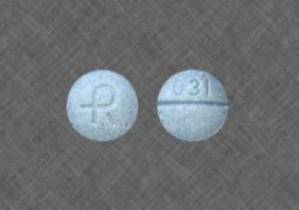
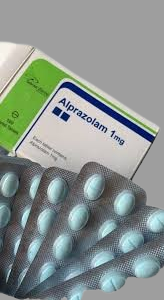
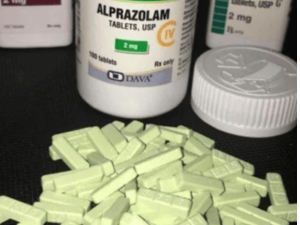
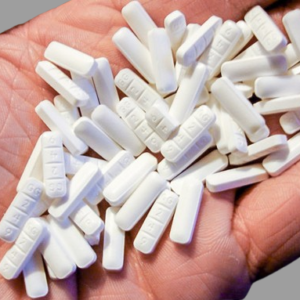
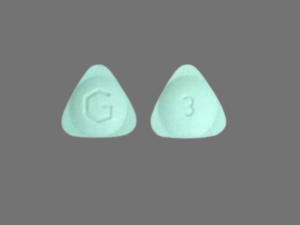
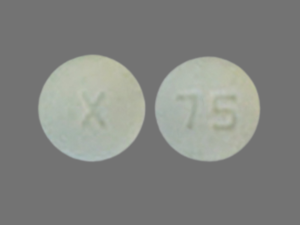
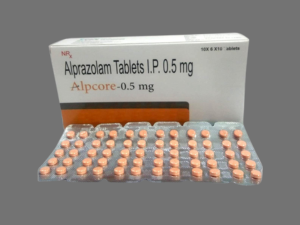
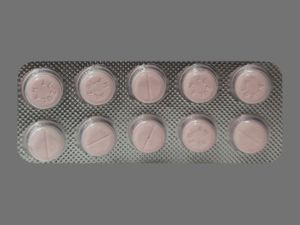
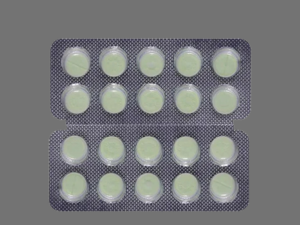
Tablets: 0.25 mg, 0.5 mg, 1 mg, 2 mg
-
Extended-release tablets (XR)
-
Orally disintegrating tablets (region-dependent)
Immediate-release forms work quickly, while XR formulations provide steady, all-day control.
Dosage and How Alprazolam Is Taken
Dosage is individualized based on condition, age, response, and risk factors.
General medical dosing guidance:
-
Anxiety: 0.25–0.5 mg taken 2–3 times daily
-
Panic disorder: dose may be increased gradually
-
Elderly patients: lower doses are usually required
-
Maximum daily dose (medical supervision): typically up to 4 mg/day
Important usage rules:
-
Take exactly as prescribed
-
Do not increase dose or frequency on your own
-
XR tablets must be swallowed whole
-
Do not stop suddenly
How Long Alprazolam Lasts
-
Onset: 30–60 minutes
-
Peak effect: 1–2 hours
-
Duration: 4–6 hours (XR lasts up to 24 hours)
Common Side Effects
Side effects are related to its calming and sedative effects.
-
Drowsiness
-
Dizziness
-
Fatigue
-
Slowed thinking
-
Reduced concentration
-
Memory difficulties
Serious Risks and Warnings
Alprazolam carries important safety risks, even when prescribed.
Major concerns include:
-
Physical and psychological dependence
-
Withdrawal symptoms if stopped abruptly
-
Impaired coordination and reaction time
-
Respiratory depression, especially with other depressants
Drug Interactions
Avoid combining alprazolam with:
-
Alcohol
-
Opioid painkillers (oxycodone, OxyContin, tramadol, morphine)
-
Other benzodiazepines
-
Sleeping pills or strong sedatives
These combinations can cause dangerous or fatal breathing suppression.
Who Should Use Alprazolam With Caution
-
Elderly individuals
-
People with liver disease
-
Patients with asthma, COPD, or sleep apnea
-
History of substance misuse
-
Depression with suicidal thoughts
-
Pregnant or breastfeeding women
Dependence, Tolerance & Withdrawal
With regular use, the body can develop tolerance, requiring higher doses for the same effect. Stopping alprazolam suddenly may cause withdrawal symptoms such as anxiety rebound, insomnia, tremors, sweating, or seizures. Gradual tapering under medical guidance is essential.
FAQs – Alprazolam
Is alprazolam the same as Xanax?
Yes. Xanax is a brand name; alprazolam is the generic drug.
How fast does alprazolam work?
Most people feel effects within 30–60 minutes.
Is alprazolam addictive?
Yes. It has a high risk of dependence, especially with long-term or high-dose use.
Can alprazolam be taken daily?
It can be, but only under strict medical supervision, usually for short-term treatment.
Can alprazolam help with sleep?
It may cause drowsiness, but it is not recommended as a sleep medication due to dependence risk.
Can I drink alcohol while taking alprazolam?
No. Alcohol significantly increases the risk of overdose and breathing problems.
What happens if I miss a dose?
Take it when remembered unless it’s close to the next dose. Do not double doses.
What happens if I stop alprazolam suddenly?
You may experience withdrawal symptoms such as anxiety rebound, insomnia, tremors, or seizures. Always taper gradually.
Is alprazolam safe during pregnancy?
No. It may harm the fetus and cause withdrawal symptoms in newborns.