



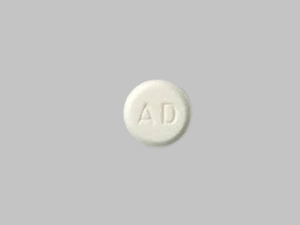
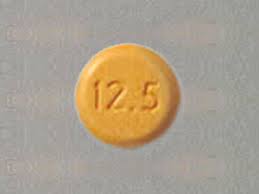
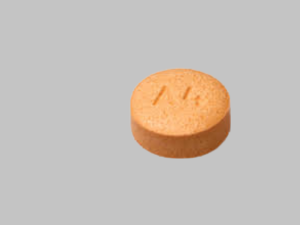
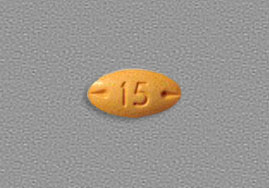



What Is Adderall?
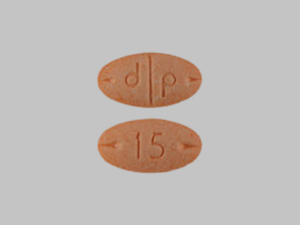
Adderall is a combination of two active ingredients:
- Amphetamine
- Dextroamphetamine
These compounds stimulate brain activity and help balance neurotransmitters such as dopamine and norepinephrine, which play a key role in attention and behavior control.
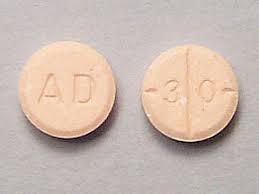
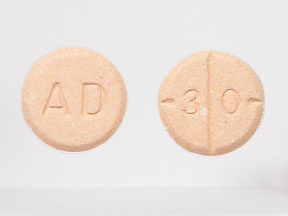
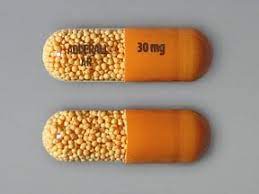
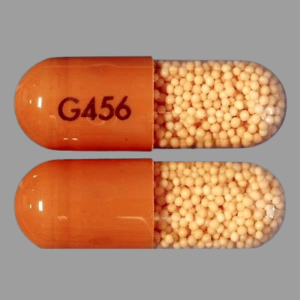
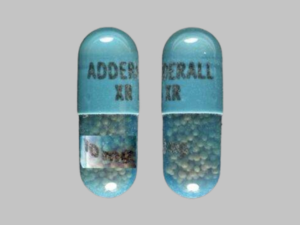
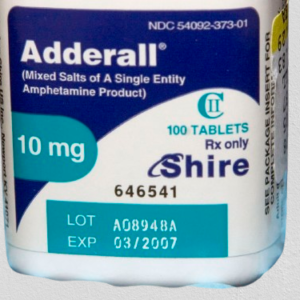
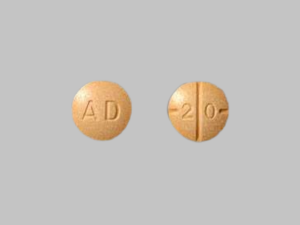
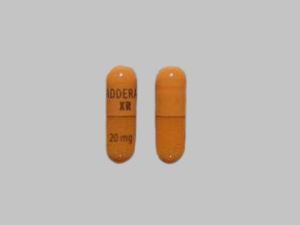
Adderall is available in two main forms:
- Adderall (Immediate-Release)
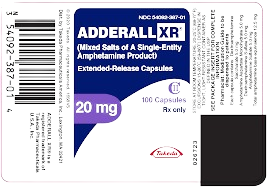
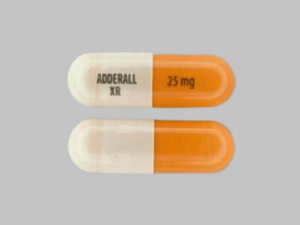
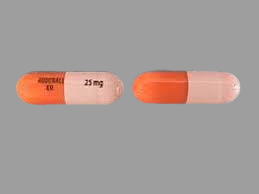
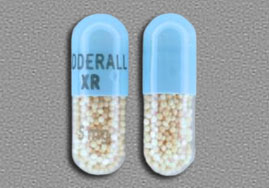
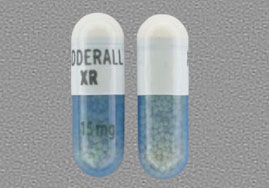
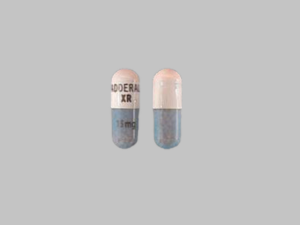
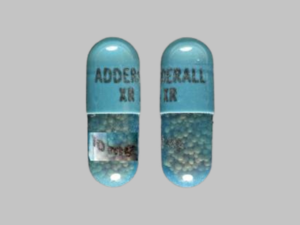
- Adderall XR (Extended-Release)
Both forms are effective, but the choice depends on the patient’s condition, lifestyle, and doctor’s recommendation.
Uses of Adderall
1. Treatment of ADHD
Adderall is most commonly prescribed for ADHD in children, adolescents, and adults. It helps:
- Improve focus and attention span
- Reduce hyperactivity
- Control impulsive behavio
- Improve task completion and organizational skills
2. Management of Narcolepsy
Narcolepsy is a sleep disorder characterized by excessive daytime sleepiness. Adderall helps patients:
- Stay awake during the day
- Improve alertness
- Reduce sudden sleep attacks
3. Off-Label Uses (Doctor-Guided Only)
In rare cases, doctors may prescribe Adderall for conditions not officially approved, but this should never be self-initiated.
How Adderall Works
Adderall works by increasing the activity of specific neurotransmitters in the brain. These chemicals help transmit signals between nerve cells.
- It stimulates the central nervous system
- Enhances communication between brain cells
- Improves mental alertness and focus
- Helps control behaviour and emotional responses
Because it directly affects brain chemistry, Adderall must be used carefully and exactly as prescribed.
Dosage and Administration
⚠️ Important: Dosage varies from person to person. Always follow your doctor’s instructions.
General Dosage Guidelines
For ADHD:
- Children (6 years and older):
Usually starts with a low dose, gradually increased if needed. - Adults:
Initial doses are typically low and adjusted based on response.
For Narcolepsy:
- Taken in divided doses during the day to prevent excessive sleepiness.
Adderall XR Dosage
- Taken once daily in the morning
- Should not be crushed or chewed
- Designed to release medicine slowly throughout the day
How to Take Adderall
- Take exactly as prescribed
- Preferably in the morning
- Avoid late-evening doses to prevent sleep problems
- Can be taken with or without food
❗ Do not increase or decrease the dose without consulting a doctor.
Side Effects of Adderall
Like all medications, Adderall may cause side effects. Not everyone experiences them.
Common Side Effects
- Loss of appetite
- Dry mouth
- Headache
- Insomnia
- Nervousness or anxiety
- Stomach pain
Less Common Side Effects
- Increased heart rate
- Dizziness
- Mood changes
- Nause
Serious Side Effects (Seek Medical Help)
- Chest pain
- Shortness of breath
- Severe anxiety or panic
- Hallucinations
- Uncontrolled movements
If any unusual or severe symptoms occur, contact a healthcare provider immediately.
Precautions and Warnings
Adderall is a controlled medication and should be used with caution.
Before Taking Adderall, Inform Your Doctor If You Have:
- Heart disease or high blood pressure
- Mental health disorders
- History of substance abuse
- Thyroid problems
- Glaucoma
- Seizure disorders
Risk of Dependence
Adderall can be habit-forming if misused. Always use it under strict medical supervision.
Pregnancy and Breastfeeding
- Use only if clearly needed
- Discuss risks and benefits with your doctor
Drug Interactions
Adderall may interact with other medications, which can affect how it works or increase side effects.
Common Interactions Include:
- Antidepressants
- Blood pressure medicines
- MAO inhibitors
- Acid-reducing medications
Always provide a full list of medicines and supplements to your doctor or pharmacist.
Who Should Avoid Adderall?
Adderall may not be suitable for:
- People with severe heart conditions
- Individuals with uncontrolled anxiety
- Patients with a history of drug misuse
- Those allergic to amphetamines
Only a healthcare professional can determine if Adderall is safe for you.
Storage Instructions
- Store at room temperature
- Keep away from heat and moisture
- Store in a secure place
- Keep out of reach of children
Proper storage helps maintain effectiveness and prevents misuse.
Frequently Asked Questions (FAQs)
1. Is Adderall a prescription medicine?
Yes, Adderall is a prescription-only medication and should only be used under medical supervision.
2. How long does Adderall take to work?
Immediate-release Adderall usually starts working within 30–60 minutes.
3. Can Adderall be taken daily?
Yes, if prescribed by a doctor and taken exactly as directed.
4. Does Adderall cause weight loss?
Loss of appetite is a common side effect, which may lead to weight changes.
5. Is Adderall safe for long-term use?
When monitored by a doctor, long-term use can be safe for many patients.
Conclusion
Adderall is a widely used and effective medication for managing ADHD and narcolepsy when used responsibly. It improves focus, attention, and alertness, helping many patients lead more structured and productive lives. However, due to its powerful effects, Adderall must always be taken exactly as prescribed.
For safe use, proper dosage, and ongoing monitoring, consult a qualified healthcare provider. A trusted pharmacy plays an important role in ensuring the authenticity, storage, and correct dispensing of Adderall.