
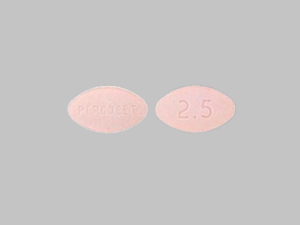
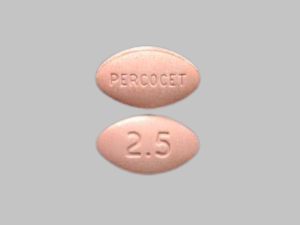
Percocet: An In-Depth Look
Percocet is a prescription combination pain medication used to treat moderate to severe acute pain. It contains oxycodone, an opioid that reduces pain perception in the brain, and acetaminophen, which enhances pain relief through a separate pathway. Percocet is commonly prescribed after surgery, injury, or dental procedures when non-opioid options are insufficient. Because it includes an opioid and acetaminophen, Percocet must be taken exactly as prescribed to avoid risks such as dependence, breathing problems, or liver damage from excess acetaminophen.
What is Percocet?
Percocet is a prescription opioid combination analgesic formulated for short-term management of moderate to severe pain. The oxycodone component acts on opioid receptors in the central nervous system to lessen the intensity of pain signals. Acetaminophen complements this effect by blocking pain pathways and improving overall pain control.
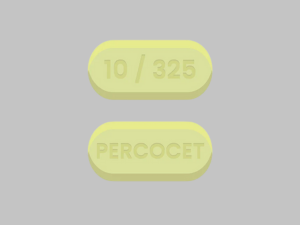
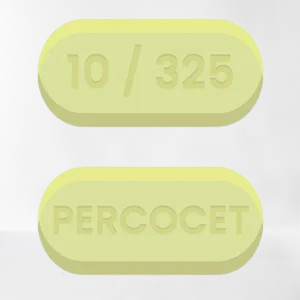
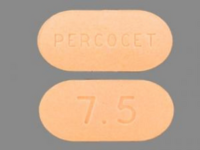
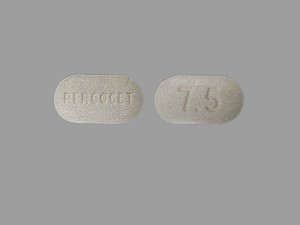
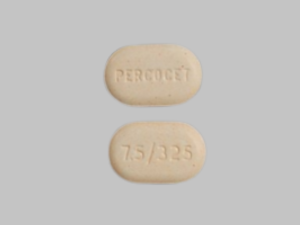
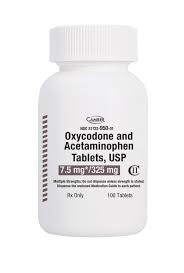
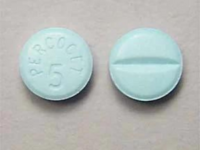
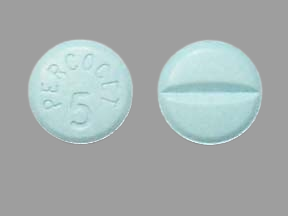
Percocet is available in multiple strengths (for example, 5/325, 7.5/325, 10/325), referring to the amounts of oxycodone and acetaminophen per tablet. Modern formulations generally limit acetaminophen content to reduce liver risk. While effective, Percocet carries important safety considerations, including the potential for tolerance, dependence, and misuse. For this reason, healthcare providers typically prescribe it for short durations and monitor use closely.
How does Percocet work?
- Oxycodone binds to opioid receptors to reduce pain perception
- Acetaminophen blocks pain signals via a different mechanism
- Together, they provide enhanced, short-term pain relief
Medical Uses of Percocet:
- Post-surgical pain
- Injury-related pain
- Dental or oral surgery pain
- Acute pain not controlled by OTC medications
Dosage & Administration – Percocet (Dosing Guide)
Follow your prescriber’s directions exactly.
- Typical adult dosing: 1 tablet every 4–6 hours as needed for pain
- Strength depends on prescription (e.g., 5/325, 7.5/325, 10/325)
- Do not exceed acetaminophen daily limits from all sources
- Intended for short-term use
Important dosing notes:
- Take with or without food (food may reduce nausea)
- Avoid alcohol
- Do not crush or split unless directed
- Missed dose: take when needed; do not double
Other common side effects associated with Percocet include:
- Drowsiness
- Nausea or vomiting
- Constipation
- Dizziness
- Headache
Seek urgent care for breathing difficulty or signs of liver trouble.
Warnings and Precautions for Percocet:
- Risk of dependence and respiratory depression
- Avoid combining with other acetaminophen-containing products
- Use caution with driving or machinery
- Tell your doctor about liver disease, lung problems, or substance-use history
- Do not stop suddenly after regular use without guidance
Conclusion
Percocet can be highly effective for short-term pain control when used responsibly. Because it combines an opioid with acetaminophen, careful dosing and close medical supervision are essential to minimize risks and achieve safe relief.
Frequently Asked Questions (FAQs) – UNIQUE
- How is Percocet different from oxycodone alone?
Percocet includes acetaminophen, which boosts pain relief. - Why are most Percocet tablets labeled “/325”?
To limit acetaminophen exposure and reduce liver risk. - Can Percocet be used for chronic pain?
It’s generally intended for acute, short-term pain. - What should I avoid while taking Percocet?
Alcohol, sedatives, and extra acetaminophen. - What’s a common reason doctors choose Percocet?
When pain needs stronger relief than non-opioids alone.