

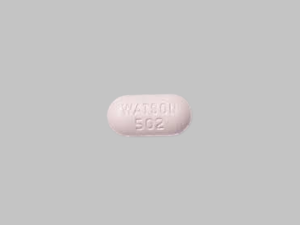
Hydrocodone: A Complete Guide
What is Hydrocodone?
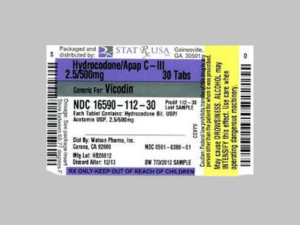
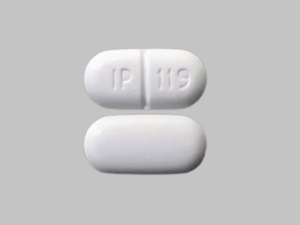
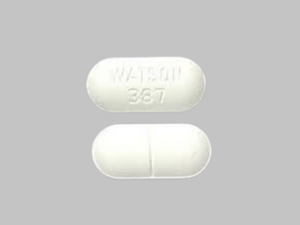
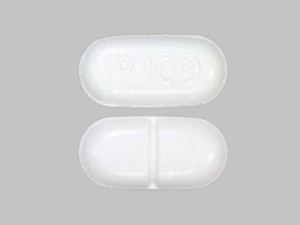
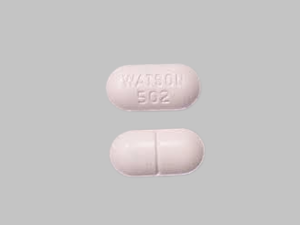
Hydrocodone is a prescription opioid pain medication used to treat moderate to severe pain. It works on the central nervous system to reduce how strongly pain is felt. Hydrocodone is often combined with other medicines such as acetaminophen (as in Norco or Vicodin) to improve pain relief. It is commonly prescribed for short-term pain following surgery, injury, or dental procedures, and in some cases for ongoing pain when other treatments are ineffective.
How Hydrocodone Works
Hydrocodone works by:
- Binding to opioid receptors in the brain and spinal cord
- Blocking the transmission of pain signals
- Creating a calming effect that reduces pain perception
Because it affects the brain, it can also cause sedation and relaxation, which contributes to its pain-relieving properties.
Medical Uses of Hydrocodone
Hydrocodone is prescribed for:
- Post-surgical pain
- Injury-related pain
- Dental pain
- Moderate to severe acute pain
- Pain not relieved by non-opioid medications
It is usually intended for short-term use, though some patients may need longer treatment under close medical supervision.
Common Forms of Hydrocodone
Hydrocodone is available in:
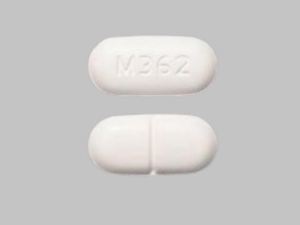
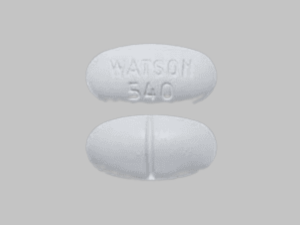
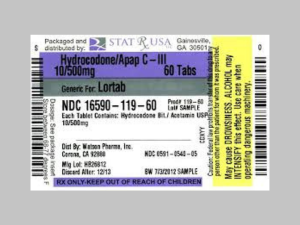
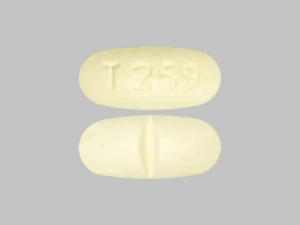
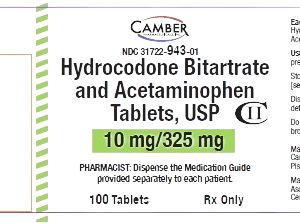
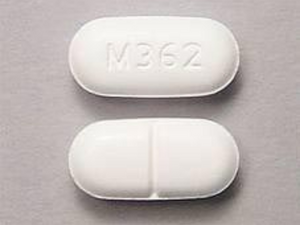
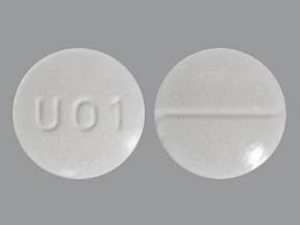
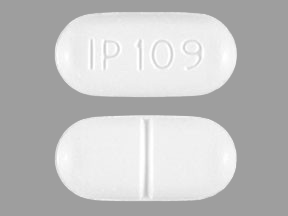
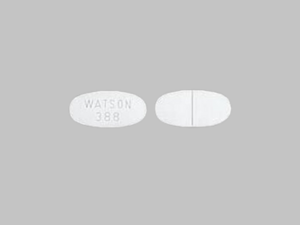
- Combination tablets (Hydrocodone + Acetaminophen)
- Liquid formulations
- Extended-release versions (for long-term pain control)
The strength and form depend on the patient’s condition and pain severity.
Dosage and Administration
- Take exactly as prescribed by your doctor
- Do not increase the dose or frequency on your own
- Swallow tablets whole with water
- Avoid mixing with alcohol or sedatives
- Use the lowest effective dose for the shortest time possible
Common Side Effects of Hydrocodone
Some commonly reported side effects include:
- Drowsiness
- Nausea or vomiting
- Constipation
- Dizziness
- Headache
These effects often lessen as the body adjusts.
Serious Side Effects (Seek Medical Help)
- Slow or difficult breathing
- Severe confusion
- Extreme sleepiness
- Allergic reactions (swelling, rash, trouble breathing)
Warnings and Precautions
- Hydrocodone has a risk of dependence and addiction
- Avoid alcohol, sleeping pills, or other opioids
- Tell your doctor if you have lung disease, liver problems, or a history of substance misuse
- Do not drive until you know how it affects you
- Store securely away from children or others
Stopping suddenly after long use may cause withdrawal symptoms.
Risks of Hydrocodone
- Dependence and addiction
- Respiratory depression
- Overdose, especially when misused
- Liver damage when combined with excessive acetaminophen
Proper use greatly reduces these risks.
Conclusion
Hydrocodone is an effective medication for managing moderate to severe pain when used responsibly. It can greatly improve comfort during recovery, but because it is an opioid, it must be taken with care. Following medical guidance, avoiding misuse, and using it only when necessary are key to safe and effective treatment.
Frequently Asked Questions (FAQs)
- Is hydrocodone addictive?
Yes. It carries a risk of dependence, especially with long-term use. - How quickly does hydrocodone work?
Pain relief usually begins within 30–60 minutes. - Can I drink alcohol while taking hydrocodone?
No. Alcohol increases the risk of serious breathing problems. - Can hydrocodone cause withdrawal?
Yes. Stopping suddenly after regular use may cause withdrawal symptoms. - Who should avoid hydrocodone?
People with severe breathing problems or a history of opioid misuse should consult a doctor carefully.