
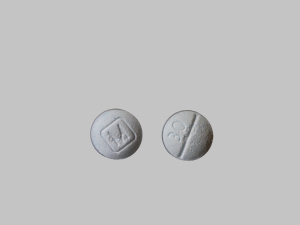
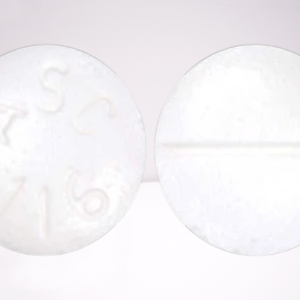
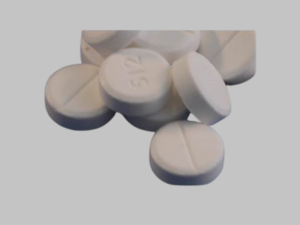
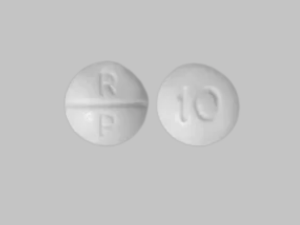

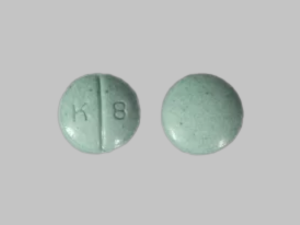
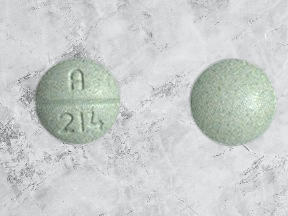
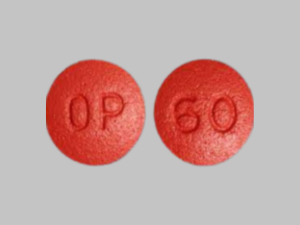
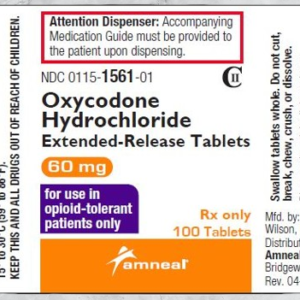


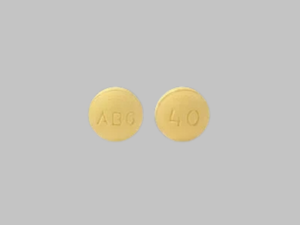
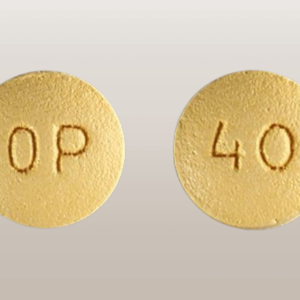

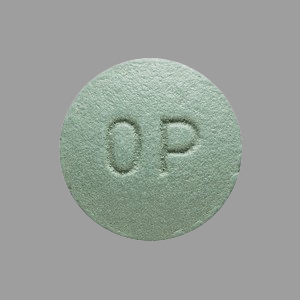
What is Oxycodone?
Oxycodone is an opioid medication often prescribed to relieve moderate to severe pain. It works by attaching to specific receptors in the brain and spinal cord, which helps change how the body experiences pain and creates a sense of relaxation.
When used under a doctor’s guidance, oxycodone can offer strong relief for people dealing with long-lasting discomfort, injuries, or recovery after surgery. By interacting with the body’s opioid receptors, it adjusts the way pain signals are processed. Instead of increasing the pain, it shifts the brain’s perception so the discomfort feels reduced and easier to manage.
This medication is available in tablet and liquid forms. While it is highly effective, it also comes with serious risks. Misusing oxycodone can lead to dependence, addiction, or even overdose. Because of this, it must always be taken exactly as prescribed and only under proper medical supervision.
Common Uses of Oxycodone
Oxycodone is typically used for:
- Post-surgical pain
- Injury-related pain
- Chronic pain conditions when long-term treatment is needed
- Cancer-related pain
- Situations where milder painkillers fail to provide relief
Dosage and Administration
The dosage depends on the patient’s medical condition, pain level, and previous exposure to opioids.
- It should be taken exactly as prescribed, either in immediate-release or extended-release form.
- Swallow extended-release tablets whole; do not crush or chew them.
- Take the medication at the same time each day to maintain steady relief.
- Avoid increasing the dose on your own—only a doctor should adjust it.
Potential Side Effects
Some people may experience:
- Nausea or vomiting
- Drowsiness
- Constipation
- Dizziness
- Dry mouth
- Itching or mild headache
Seek medical help if you notice severe breathing problems, extreme confusion, or signs of an allergic reaction.
Safe Use and Precautions
To use Oxycodone safely:
- Take only the exact prescribed amount.
- Do not mix it with alcohol or other sedatives.
- Inform your doctor about any history of lung issues, liver problems, or substance misuse.
- Avoid driving or operating machinery until you know how the medicine affects you.
- Keep the medication stored securely and out of reach of others.
Risks of Oxycodone
Although effective, Oxycodone carries certain risks:
- Dependence and addiction if misused
- Overdose, especially when combined with alcohol or other opioids
- Respiratory depression (slow or difficult breathing)
- Worsening side effects in older adults or people with pre-existing health conditions
Conclusion
Oxycodone is a powerful pain reliever that can be very helpful when used correctly. However, it must be taken with caution due to its potential for addiction and serious side effects. Always follow your doctor’s guidance and never share your medication with anyone else.
FAQs (Frequently Asked Questions)
- Is Oxycodone addictive?
Yes. It has a high risk of dependence, especially with long-term or improper use. - Can I drink alcohol while taking Oxycodone?
No. Alcohol increases the risk of dangerous breathing problems and overdose. - How quickly does Oxycodone work?
Immediate-release forms usually start working within 20–30 minutes. - Can I stop taking Oxycodone suddenly?
Stopping suddenly may cause withdrawal symptoms. Always taper under medical supervision. - Is Oxycodone safe during pregnancy?
It should only be used if absolutely necessary, under strict medical advice.