
Description
Gabapentin 300 mg: An In-Depth Look
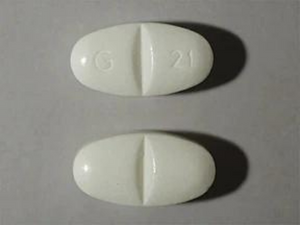
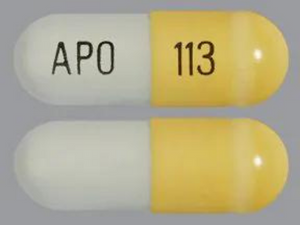
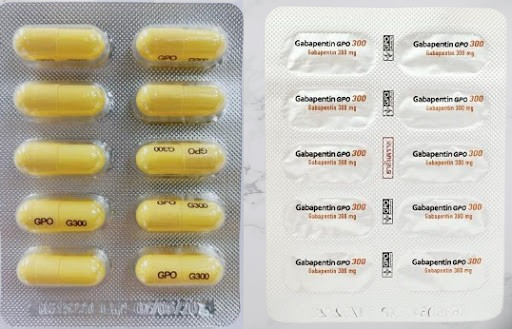
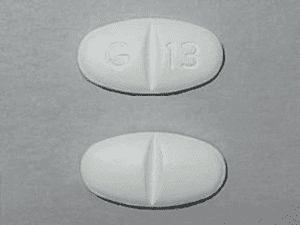
Gabapentin 300 mg is a commonly prescribed medication used to treat nerve-related pain and certain seizure disorders. It works by calming overactive nerve signals rather than acting like a traditional painkiller. This strength is often chosen as a starting dose, allowing the body to adjust gradually while minimizing side effects. Gabapentin 300 mg is typically taken once or multiple times daily, depending on the condition being treated. When used consistently and adjusted carefully, it can help reduce symptoms such as burning, tingling, or shooting pain caused by nerve irritation.
What is Gabapentin 300 mg?
Gabapentin 300 mg is a lower-to-moderate strength formulation of gabapentin used for managing neuropathic pain and neurological conditions. Originally developed to treat epilepsy, gabapentin is now widely used for nerve pain associated with diabetes, shingles, spinal disorders, or nerve injury. Unlike opioids or anti-inflammatory medications, gabapentin does not directly block pain. Instead, it stabilizes nerve activity and reduces abnormal electrical signaling in the nervous system.
This dose is frequently prescribed as an initial or step-up dose, allowing doctors to evaluate tolerance before increasing the amount if needed. Gabapentin 300 mg may be taken once daily at first, then increased to multiple daily doses depending on symptom control. Because it works best when taken consistently, regular dosing and adherence to medical guidance are essential for effective results.
How does Gabapentin 300 mg work?
- Calms overactive nerve signals
- Reduces abnormal electrical activity in the nervous system
- Stabilizes nerve communication
- Lessens nerve pain sensations
Medical Uses of Gabapentin 300 mg:
- Neuropathic (nerve) pain
- Postherpetic neuralgia (shingles pain)
- Diabetic neuropathy
- Seizure disorders
- Nerve pain related to spinal conditions
Dosage & Administration – Gabapentin 300 mg (Dosing Guide)
- Gabapentin 300 mg is often used as a starting dose
- Typical schedule: 300 mg once daily, then increased gradually
- Common total daily dose range: 900–1800 mg, divided into doses
- Often taken 2–3 times daily for steady symptom control
Important dosing notes:
- Take at the same times each day
- Can be taken with or without food
- Do not stop suddenly without medical advice
- Missed dose: take when remembered unless close to the next dose
Other common side effects associated with Gabapentin 300 mg include:
- Drowsiness
- Dizziness
- Fatigue
- Lightheadedness
- Mild balance issues
Side effects often improve as the body adjusts.
Warnings and Precautions for Gabapentin 300 mg:
- Avoid alcohol, which can increase drowsiness
- Use caution when driving or operating machinery
- Inform your doctor about kidney disease or mood changes
- Dose adjustments may be needed in elderly patients
Conclusion
Gabapentin 300 mg is a widely used and well-tolerated option for starting treatment of nerve pain or seizure disorders. When increased gradually and taken consistently, it can provide effective symptom relief while minimizing side effects.
Frequently Asked Questions (FAQs)
- Why is Gabapentin 300 mg often the first dose prescribed?
It allows the body to adjust gradually and reduces side effects. - How long should I stay on 300 mg before increasing?
This depends on symptom response and tolerance, as guided by a doctor. - Can Gabapentin 300 mg be taken at night only?
Yes, it is often started once daily at night. - Will this dose control severe nerve pain?
It may help mild cases, but higher doses are often needed. - Is Gabapentin 300 mg safe for long-term use?
Yes, when monitored regularly by a healthcare provider.



Reviews
There are no reviews yet.